
Have you ever gazed at a magazine advertisement or watched a runway show and wondered…..
>
““What does it take to become a model?” ”
The world of modeling is a captivating yet enigmatic one, often shrouded in misconceptions and unanswered questions. Whether you’re an aspiring model or simply curious about the industry, you’ve likely pondered some of the most common queries surrounding this glamorous profession. In this blog post, we aim to demystify the modeling world by answering the most popular questions.
1. What Types of Modeling Are There?
Modeling encompasses various genres, including fashion, commercial, fitness, plus-size, and more. Each type has its own unique requirements and opportunities. Understanding the different niches will help you determine which one aligns with your strengths and interests.
2. How Do I Get Started in Modeling?
Starting a modeling career often begins with building a portfolio, finding a reputable agency, and networking within the industry. It’s essential to have professional photographs and attend open calls to gain visibility.
3. Do I Need Professional Photos for My Portfolio?
Professional photos are highly recommended. They showcase your versatility and potential to clients and agencies. Collaborating with skilled photographers can help you create a compelling portfolio.
4. How Important Are Height and Body Size in Modeling?
Height and body size requirements vary depending on the type of modeling. While fashion models often need to meet specific criteria, commercial and niche markets, like plus-size or fitness modeling, have different standards. The key is finding your niche and embracing it.
5. What Are the Pros and Cons of Freelance Modeling vs. Agency Representation?
Freelance modeling offers more independence, while agency representation provides guidance, exposure, and access to a broader network. Each has its advantages and drawbacks, so the choice depends on your goals and preferences.
6. Can Anyone Be a Model?
In theory, anyone can explore a modeling career. The industry values diversity, and models come in all shapes, sizes, and backgrounds. Your uniqueness can be your greatest asset.
7. How Do I Prepare for a Casting or Audition?
Preparing for a casting or audition includes practicing your poses, researching the client, and wearing appropriate attire. Confidence and professionalism are key during these encounters.
8. What Are the Challenges of Being a Model?
Modeling comes with challenges, including constant rejection, irregular income, and the pressure to maintain a specific appearance. Mental and physical self-care is crucial to overcome these challenges.
9. How Do I Maintain a Healthy Work-Life Balance in Modeling?
Balancing work and personal life in the modeling world can be demanding. Effective time management, setting boundaries, and practicing self-care are essential for a healthy equilibrium.
10. Is Modeling Glamorous All the Time?
The industry certainly has glamorous moments, but it also involves hard work, long hours, and rigorous schedules. The glamorous facade often conceals the dedication and perseverance required.
11. What If I Don’t Fit Traditional Beauty Standards?
Not fitting traditional beauty standards can be an advantage in the modeling world. Many clients and agencies seek unique, distinctive looks to stand out in the industry.
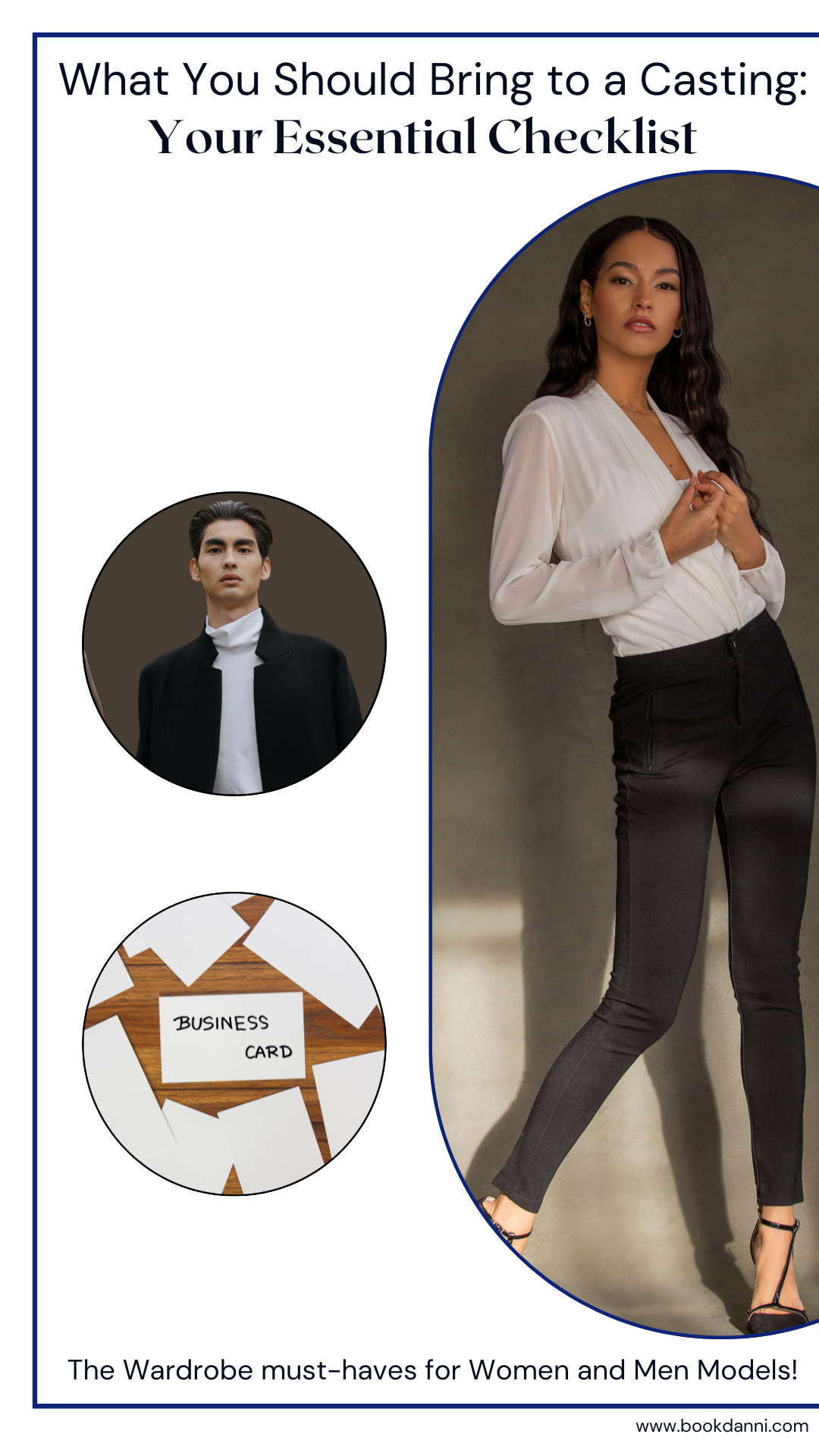
12. What Should I Wear to an Open Call or Casting?
Choosing the right outfit for castings is crucial. Opt for simple, well-fitting clothing that showcases your body shape without being distracting. Neutral colors are a safe choice, but some castings may require specific attire, so always read the casting call details.
13. How Do I Stay Safe from Modeling Scams?
The modeling industry, like many others, has its share of scams. Be cautious of individuals or agencies asking for upfront fees, offering unrealistic guarantees, or lacking a professional online presence. Do your research and trust your instincts.
14. Can I Model Part-Time While Keeping My Full-Time Job?
Many models balance their careers with part-time or full-time jobs. It’s possible to model part-time, as long as you can manage the demands of both commitments. Communication and flexibility with your employer may be necessary.
15. What’s the Difference Between a Comp Card and a Portfolio?
A comp card (composite card) is a modeling business card with a model’s best photos and contact information, while a portfolio is a collection of your work and can be physical or digital. Comp cards are handy for castings and auditions, while portfolios showcase your range and experience.
16. How Do I Handle Rejection in the Modeling Industry?
Rejection is a part of the modeling world. Developing resilience and a positive attitude is essential. Each rejection is a learning opportunity and a stepping stone toward future success.
17. Can I Model as a Teenager or Older Adult?
Yes, modeling is not limited by age. There are opportunities for teenage models in the teen market, as well as for mature models in various niches like lifestyle, commercial, or even fashion.
18. How Do I Build a Social Media Presence as a Model?
Social media is an important platform for models to connect with their audience and clients. Consistency, engaging content, and authentic interaction can help you grow your online presence.
19. What’s the Role of a Model’s Agent or Manager?
A model’s agent or manager plays a vital role in finding opportunities, negotiating contracts, and managing your career. They help you navigate the industry, but it’s crucial to choose a reputable and trustworthy representative.
20. How Do I Create a Model Portfolio?
A model portfolio should showcase your versatility and talent. Collaborate with professional photographers, makeup artists, and stylists to create a diverse range of high-quality images that demonstrate your modeling skills.
21. How Do I Choose the Right Modeling Agency?
Selecting the right modeling agency is critical for your career. Research agencies in your area, consider their reputation, the types of models they represent, and any fees or contracts involved. It’s advisable to meet with several agencies before making a decision.
22. What Is a Runway Model’s Walk and How Can I Improve Mine?
A model’s walk is their signature style on the runway. Practice is key, and watching videos of professional runway models can help you learn different techniques and styles. Consider taking runway modeling classes to refine your walk.
23. What Are the Key Elements of a Strong Modeling Portfolio?
A strong modeling portfolio should include a variety of shots, including headshots, full-body shots, and different styles (e.g., fashion, editorial, commercial). Highlight your range and versatility while showcasing your best work.
24. Can I Model Without Professional Training?
While professional training and modeling courses can be helpful, they are not always necessary. Your natural talent, work ethic, and dedication can also lead to a successful modeling career. Networking and gaining experience through local shoots and smaller gigs can be valuable.
25. Do I Need to Invest in Professional Makeup and Hair Styling for Every Shoot?
Professional makeup and hair styling can significantly enhance the quality of your photos. However, for test shoots or portfolio building, you may collaborate with photographers and makeup artists who are also looking to build their portfolios. Discuss these arrangements beforehand.
26. How Do I Manage My Modeling Income and Expenses?
Managing your finances as a model is crucial. Keep track of your earnings and expenses, especially if you’re considered a freelance model. Consider consulting a financial advisor or accountant to ensure you’re handling your finances wisely.
27. What Should I Do if I Experience Body Image Issues as a Model?
Body image issues can affect models, just like anyone else. Seek support from professionals, friends, and family if needed. Remember that beauty comes in various forms, and what makes you unique is an asset in the modeling world.
28. How Can I Stay Updated with Industry Trends and Opportunities?
Staying updated in the modeling industry is essential for career growth. Follow industry publications, blogs, and social media accounts related to modeling. Attend events, fashion shows, and workshops to network and learn about new opportunities.
29. Can I Model Internationally as a New Model?
Modeling internationally can be a goal, but it’s often more achievable after gaining experience in your local market. Building a strong portfolio and gaining recognition in your region can open doors to international opportunities.
30. How Do I Handle Navigating the Demands of Travel as a Model?
Travel is often a part of a model’s life, whether it’s for castings, photo shoots, or fashion shows. Stay organized, pack efficiently, and maintain a healthy lifestyle on the road to ensure you can perform at your best.
The world of modeling is diverse and ever-evolving, with opportunities for individuals of all backgrounds and preferences. Understanding the ins and outs of this industry is the first step in navigating your modeling career successfully. As you explore your path, remember that modeling is not just about appearances; it’s about embracing your individuality and expressing your unique beauty.

Featured

The world of modeling is a captivating yet enigmatic one, often shrouded in misconceptions and unanswered questions. Whether you’re an aspiring model or simply curious about the industry, you’ve likely pondered some of the most common queries surrounding this glamorous profession. In this blog post, we aim to demystify the modeling world by answering the most popular questions.