
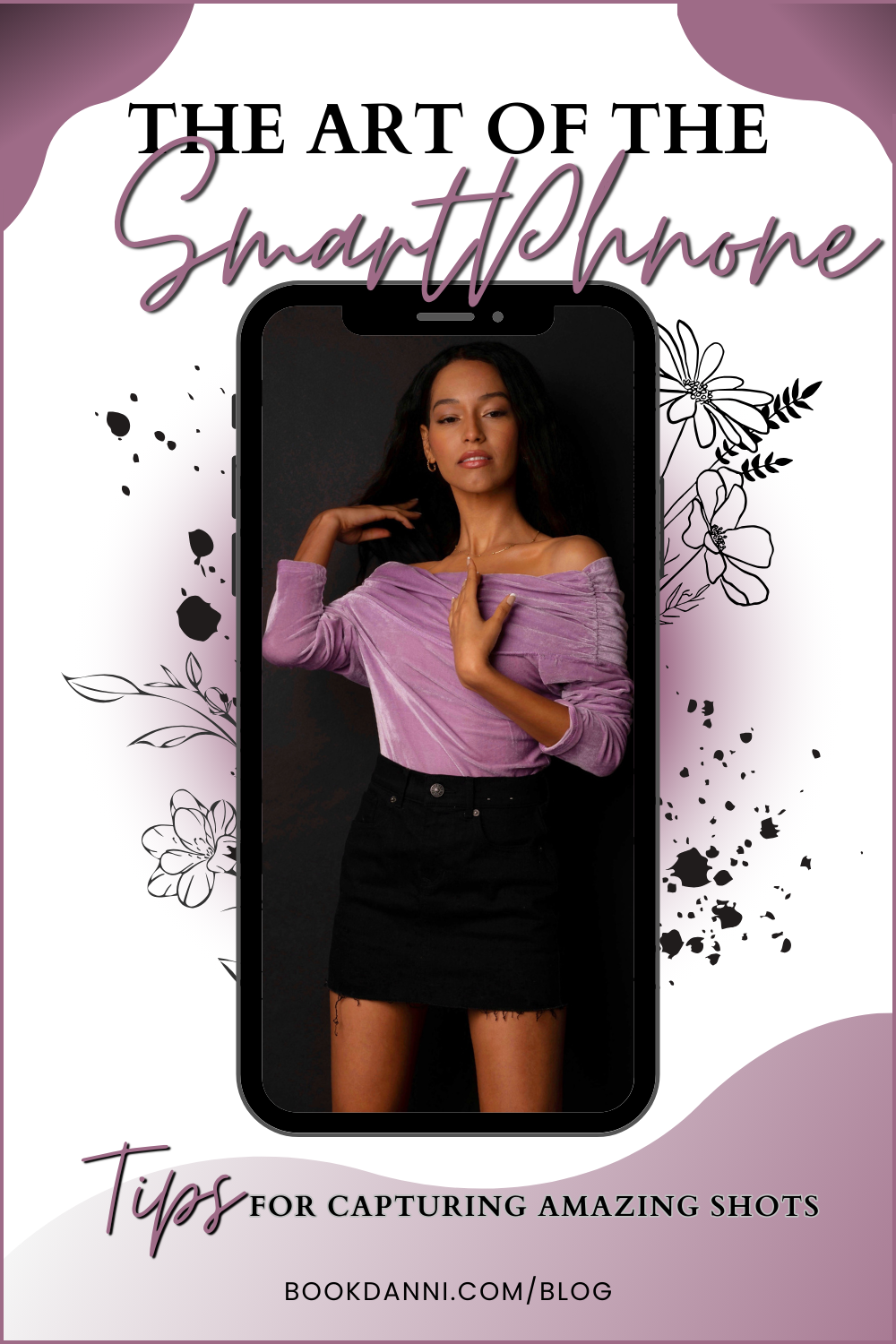
In a world where smartphones have become an extension of ourselves, it’s no surprise that they’ve also become powerful tools for capturing life’s moments. Smartphone photography has evolved into an art form, offering individuals the means to express their creativity, document their experiences, and share their perspectives with the world. In this blog post, we’ll explore the world of smartphone photography, offering a comprehensive guide to help you capture stunning shots with your mobile device. Whether you’re an aspiring photographer or simply looking to enhance your Instagram game, we’ve got you covered.
Why Smartphone Photography?
Before diving into the tips and techniques, let’s briefly explore why smartphone photography is so popular.
Smartphones Are Always at Hand: The most obvious advantage of smartphone photography is that your camera is always with you. There’s no need to lug around heavy equipment, making it ideal for capturing spontaneous moments.
User-Friendly: Smartphone cameras are designed for ease of use, with intuitive interfaces that make it accessible to all. You don’t need to be a professional to take great shots.
Editing Apps: There’s a plethora of photography apps available, offering tools to edit, enhance, and customize your photos. You can become your own photo editor with just a few swipes.
Instant Sharing: With social media platforms like Instagram, Facebook, and Snapchat, you can instantly share your photos with friends and a global audience.
Getting Started: Your Smartphone’s Camera
Before we dive into the tips and techniques, let’s understand your smartphone’s camera:
-
Camera Quality: Smartphone cameras vary in quality. Newer models typically have better cameras, with features like multiple lenses, optical image stabilization, and improved low-light performance.
-
Resolution: Look for the camera’s resolution, usually measured in megapixels (MP). Higher resolution often means better image quality.
-
Settings: Familiarize yourself with your camera’s settings. You can adjust exposure, focus, and white balance on most smartphones.
-
Burst Mode: Most smartphones offer a burst mode for capturing fast-moving subjects. Use it for action shots or to ensure you get the perfect facial expression in portraits.
-
Grid Lines: Enable grid lines on your camera to help you apply the rule of thirds, a basic composition principle.
Tips and Techniques: Capturing the Perfect Shot
Now, let’s explore the tips and techniques that will elevate your smartphone photography:
1. Find Great Lighting:
Lighting is crucial in photography. Natural light is your best friend. Soft, diffused light works well for most shots. Avoid harsh midday sun, which can create unwanted shadows. Early morning and late afternoon provide warm, flattering light for portraits. Consider golden hour (shortly after sunrise and before sunset) for stunning landscapes.
2. Rule of Thirds:
Divide your frame into a 3×3 grid using grid lines. Position your subject along these lines or at their intersections to create a balanced and visually appealing composition.
3. Composition Matters:
Pay attention to the composition of your photos. Experiment with angles, framing, and leading lines. Try to tell a story with your shot.
4. Use Negative Space:
Negative space, the area around your subject, can be just as important as the subject itself. Use negative space to create minimalist and impactful shots.
5. Get Close:
Experiment with macro photography by getting up close to your subject. Most smartphones have a macro mode that lets you capture fine details.
6. Don’t Zoom:
Smartphone cameras often struggle with digital zoom. Instead of using zoom, physically get closer to your subject for better image quality.
7. Master Focus and Exposure:
Learn to manually adjust focus and exposure on your camera. Tapping on a specific area of your screen can help you control where the camera focuses and sets the exposure.
8. Steady Hands:
Keep your smartphone steady while taking photos. Use both hands to hold the phone and consider a tripod for more complex shots.
9. Edit and Enhance:
Post-processing can transform your photos. Experiment with editing apps like Adobe Lightroom, Snapseed, or VSCO. Adjust brightness, contrast, color, and apply filters to achieve your desired look.
10. Capturing Motion:
Mobile photography allows you to explore the art of capturing motion in a way that’s both accessible and creative. The burst mode is a fantastic feature for freezing fast-paced moments, whether it’s a friend’s mid-air jump or your pet’s playful antics. Burst mode takes a series of photos in rapid succession, increasing your chances of catching the perfect action shot. To add an artistic touch, consider experimenting with slow shutter techniques. By slightly prolonging the exposure time, you can create captivating motion blur effects. This is particularly effective when photographing flowing water, car lights at night, or any subject in motion. The key is to find a balance between sharpness and blur to convey a sense of movement without losing the essence of your subject.
11. HDR Mode:
High Dynamic Range (HDR) mode is a powerful tool for overcoming challenges posed by high-contrast scenes. It’s a feature that combines multiple exposures, including overexposed and underexposed shots, to capture a broader range of details. This results in photographs that bring out the shadows and highlights, revealing more of the scene’s complexity. Whether you’re shooting a stunning sunset against a dark landscape or trying to preserve intricate architectural details in harsh sunlight, HDR mode is your go-to solution. Just remember to keep it subtle; the goal is to enhance the image’s dynamic range, not create unrealistic, over-processed photos.
12. Portrait Mode:
Portraits are one of the most popular subjects in smartphone photography, and most smartphones now offer a portrait mode that replicates the classic “bokeh” effect. This effect, which is characterized by a sharp subject in the foreground against a beautifully blurred background, simulates the aesthetics of professional cameras and lenses. When using portrait mode, ensure that your subject is well-lit, and keep an appropriate distance to activate the effect. Experiment with various lighting conditions, angles, and distances to achieve the desired level of background blur. Keep in mind that this mode works best for human and pet portraits, but don’t hesitate to explore its creative potential with other subjects.
13. Panoramas:
Panorama mode is a valuable tool for capturing vast landscapes and cityscapes, offering an expansive view that single frames can’t match. To create a panoramic photo, enable panorama mode on your smartphone, and follow the on-screen instructions to capture a series of connected images as you pan your device horizontally. The result is a single, wide image that encapsulates the grandeur of the scene. Whether you’re standing before a breathtaking mountain range, gazing at the city skyline, or taking in the expanse of the ocean, panoramas allow you to convey the sheer scale and beauty of your surroundings. They’re ideal for travel and landscape photography, and they provide an opportunity to tell a story within a single frame.
14. Use the Rule of Odds:
The Rule of Odds is a composition principle that suggests odd numbers of subjects in a photo are often more visually appealing than even numbers. For example, three flowers in a vase can be more pleasing to the eye than two. This rule is rooted in psychology; our brains tend to create a more balanced and harmonious perception of a scene when presented with an odd number of elements. While this rule can apply to various subjects, from people to objects, it’s particularly useful in portrait and still-life photography. By adhering to the Rule of Odds, you can create photos that feel more natural and engaging, drawing viewers into your composition.
15. Experiment and Have Fun:
Last but not least, remember that smartphone photography is all about experimentation and creativity. Don’t be afraid to break the rules, try new things, and explore unique angles and perspectives. The beauty of smartphone photography is that it provides a low-pressure environment for learning and growing as a photographer. Challenge yourself to capture the world around you in a fresh, exciting way. The more you experiment and have fun, the more you’ll develop your unique style and artistic vision. In the end, the essence of smartphone photography is not about the technicalities; it’s about the stories, emotions, and experiences you convey through your photos. So, grab your smartphone, explore your surroundings, and capture the beauty and wonders of life through your lens.
Sharing Your Work:
Once you’ve captured and edited your photos, it’s time to share your work with the world. Platforms like Instagram, Flickr, and VSCO are popular for showcasing smartphone photography. Use relevant hashtags to reach a wider audience and engage with the photography community.
Smartphone photography is more than just a convenient way to document your life; it’s an art form waiting for your creativity. Armed with the right knowledge, techniques, and a keen eye, you can capture stunning shots that rival those taken with more expensive equipment. So, next time you reach for your smartphone, remember these tips and start your journey to becoming a mobile photography maestro. Whether you’re capturing memories or chasing artistic visions, your smartphone is the perfect tool to unlock your photographic potential.

Featured


The world of modeling is a captivating yet enigmatic one, often shrouded in misconceptions and unanswered questions. Whether you’re an aspiring model or simply curious about the industry, you’ve likely pondered some of the most common queries surrounding this glamorous profession. In this blog post, we aim to demystify the modeling world by answering the most popular questions.