
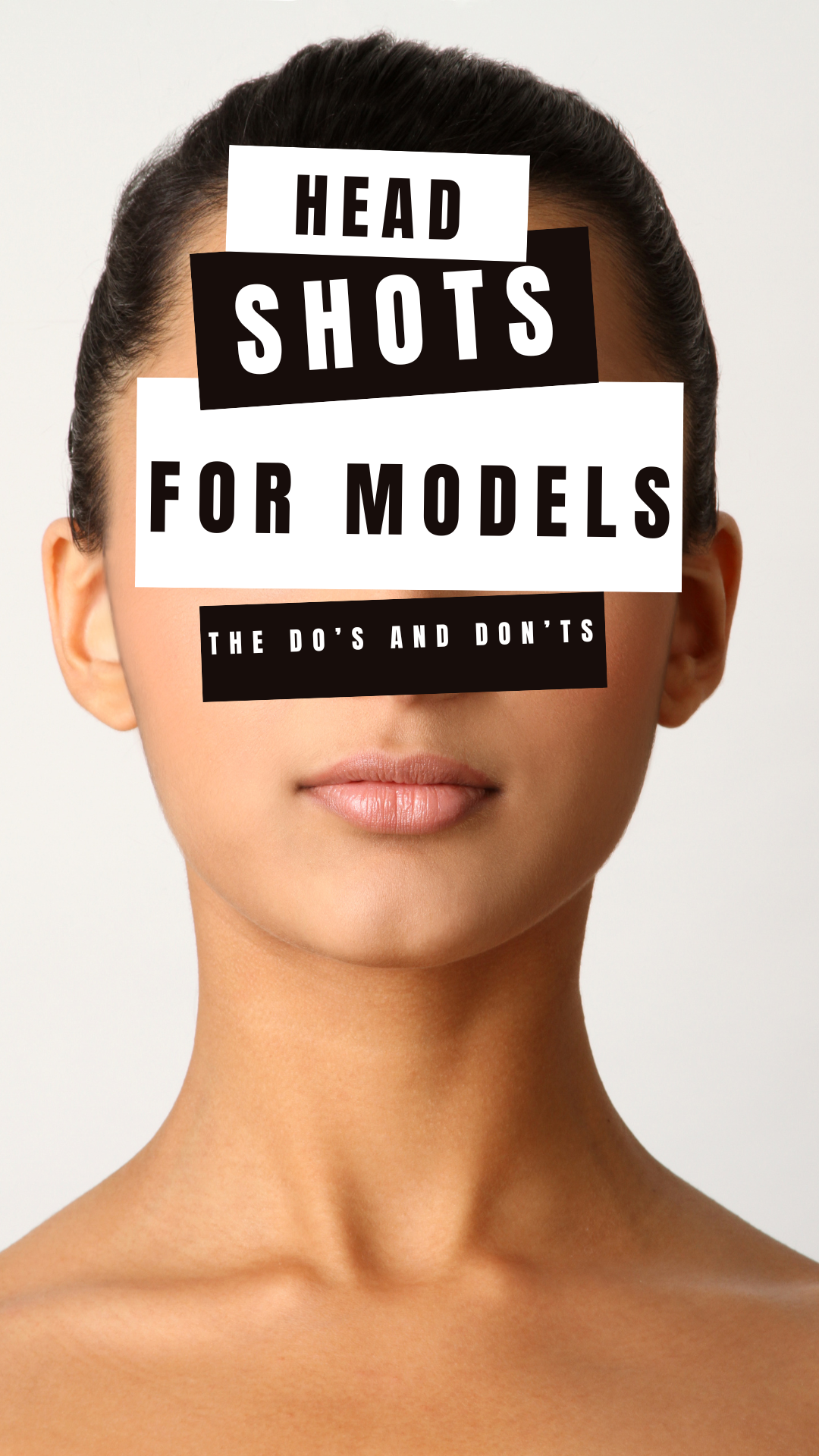
Headshots are far more than just photographs; they are the visual calling cards of actors, models, professionals, and performers. These close-up portraits capture the essence of an individual’s identity, revealing their unique character and potential. Whether used for casting auditions, job applications, or personal branding, headshots are instrumental in making a compelling first impression. With careful attention to lighting, expression, and composition, headshots encapsulate the essence of the subject and tell a story in a single frame. In this age of visual communication, the importance of a well-crafted headshot cannot be overstated, as it often becomes the initial point of connection between an individual and their audience or prospective employer.
Choosing the right wardrobe for a headshot session is crucial for models to create a strong and versatile portfolio. Here are some do’s and don’ts to consider when selecting your wardrobe:
Do’s:
1. Solid Colors: Choose solid, neutral colors like white, black, gray, and navy. These colors are timeless and won’t distract from your facial features.
2. Simple Patterns: If you opt for patterns, keep them simple and subtle. Thin stripes or small, non-distracting patterns can work, but be cautious of bold or distracting patterns.
3. Well-Fitted Clothing: Ensure your clothing fits well. Clothes that are too tight or too loose can be unflattering. Well-fitted clothing enhances your body’s natural shape.
4. Layering: Layering can add depth and variety to your photos. For example, you can wear a simple jacket or cardigan over a solid-color top.
5. Accessorize Smartly: Minimal accessories like simple earrings or necklaces can add a touch of personality, but don’t go overboard. Avoid large, flashy jewelry.
6. Classic Styles: Stick to classic, timeless styles that won’t look outdated in a few years. Simplicity is key.
7. Hair and Makeup: Make sure your hair and makeup are natural and well-groomed. Consider professional hair and makeup services if possible. (Check out Make Tips here)
8. Consider Your Audience: Think about the type of modeling you intend to do. If you’re aiming for commercial modeling, choose attire that represents the brands you’d like to work with. High-fashion modeling may call for more edgy or avant-garde looks.
9. Diverse Options: Bring a variety of outfit options to your headshot session. This allows you and the photographer to experiment with different looks and styles.
10. Timeless Outerwear: A classic blazer, trench coat, or stylish jacket can add sophistication to your headshots, making them versatile for various modeling opportunities. Consider the fashionable trends and deliberately steer away from them during this photoshoot.
Don’ts:
1. Bright Colors: Avoid overly bright or neon colors, as they can be distracting and may not work for every headshot.
2. Logos and Graphics: Stay away from clothing with visible logos or large graphics. These can draw attention away from your face.
3. Distracting Jewelry: Large, noisy, or flashy jewelry can be distracting and take the focus away from your face.
4. Dated Styles: Avoid clothing that is too trendy or overly specific to a particular era. These styles may quickly become outdated.
5. Ill-Fitting Clothes: Clothes that are too tight or too loose can create unflattering wrinkles or bulges, which you want to avoid in your headshots.
6. Busy Patterns: Busy patterns, like large florals or bold stripes, can be distracting and may not work well in headshots.
7. Excessive Makeup: Keep your makeup natural and not overly heavy. Heavy makeup can look unnatural in close-up photos.
8. Unkempt Appearance: Make sure your clothing is clean, ironed, and well-maintained. Wrinkled or dirty clothing can detract from the overall image.
9. Overly Revealing Clothing: Avoid clothing that reveals too much skin or is too provocative. Modeling headshots should focus on your face and expression, not your body.
10. Mismatched Colors: Be cautious about wearing colors that clash or do not complement your skin tone. Stick to colors that enhance your overall appearance.
Remember that the specific wardrobe choices will also depend on the style and purpose of the headshots you’re taking. Discuss your wardrobe options with the photographer to ensure your clothing complements the intended style and theme of the shoot. Ultimately, the goal of a model’s headshot is to showcase your face, so choose clothing that enhances your features rather than competing with them.
The most important tip for doing headshots is to:
Focus on your expression and connection with the camera.
Here’s why this is crucial:
1. Your Face Is the Star: Headshots are all about your face and the emotions it conveys. The most captivating headshots are those where the model’s eyes are engaged, and their expression is genuine. Your ability to convey emotions and make a connection with the viewer is the key to a compelling headshot.
2. Personality and Versatility: Headshots are often used to show your versatility as a model or actor. By conveying different emotions and expressions, you can demonstrate your range and adaptability. This makes it essential to master a variety of expressions, from serious and confident to friendly and approachable. Experimenting with different angles can result in unique and flattering perspectives in your headshots. Even slight changes in camera angle and your head position can have a profound effect on the final image. Collaborate with your photographer to find the angles that accentuate your best features and complement your desired style or character.
3. Authenticity Sells: Authenticity is highly valued in the modeling and acting industries. A genuine and relatable expression will resonate with casting directors, clients, and viewers. It’s not about wearing a perfect smile at all times but about showing real, relatable emotions.
4. Connection with the Viewer: A headshot should engage the viewer, making them feel like they’re connecting with you on a personal level. This connection can be the difference between getting noticed and being forgotten in a sea of headshots. Your eyes are often considered the most critical element of a captivating headshot. They serve as the windows to your soul, revealing your personality and emotions. To create engaging headshots, ensure your eyes are well-lit, expressive, and directly engaged with the camera. Practice making your eyes appear vibrant, full of life, and connected with the viewer, as this can draw them in and leave a lasting impression.
5. Mind Your Posture: One essential aspect of a successful headshot is your posture. Good posture not only portrays confidence but also conveys strength and professionalism. Whether you’re sitting or standing, ensure that your body language reflects poise and self-assuredness. Straightening your back and aligning your shoulders can make a significant difference in the overall impact of your headshots.
6. Relax Your Jaw: Tension in your jaw can affect your facial expressions, making them appear strained or unnatural. Before each shot, take a deep breath and consciously relax your jaw muscles. This simple step can help you maintain a natural, unforced look that appears more relaxed and genuine in your headshots.
When it comes to headshots, lighting, and background choice are pivotal factors. A harmonious blend of natural and studio lighting can be a game-changer, with natural light often imparting a softer, more flattering quality to your photos while studio lighting provides precision and control. The selection of the background is equally crucial, as it contributes to the overall composition. Your backdrop should never overpower your face but, instead, should harmonize with your look and the intended style of the headshot. Collaborate closely with your photographer to choose a background that complements your image and encapsulates the mood and character you aim to convey. This combination of lighting and background can elevate the impact and storytelling aspect of your headshots.
To achieve a captivating headshot, work closely with your photographer to create an environment that encourages genuine expressions. Be open to their guidance and feedback, and practice different expressions and emotions in front of a mirror to become more comfortable with your range. Remember that your eyes, in particular, are powerful tools for conveying emotions, so focus on them during your session.
Ultimately, the best headshots are those that reflect your personality, draw viewers in, and leave a lasting impression, making a strong connection with the camera and, by extension, your audience.

Featured
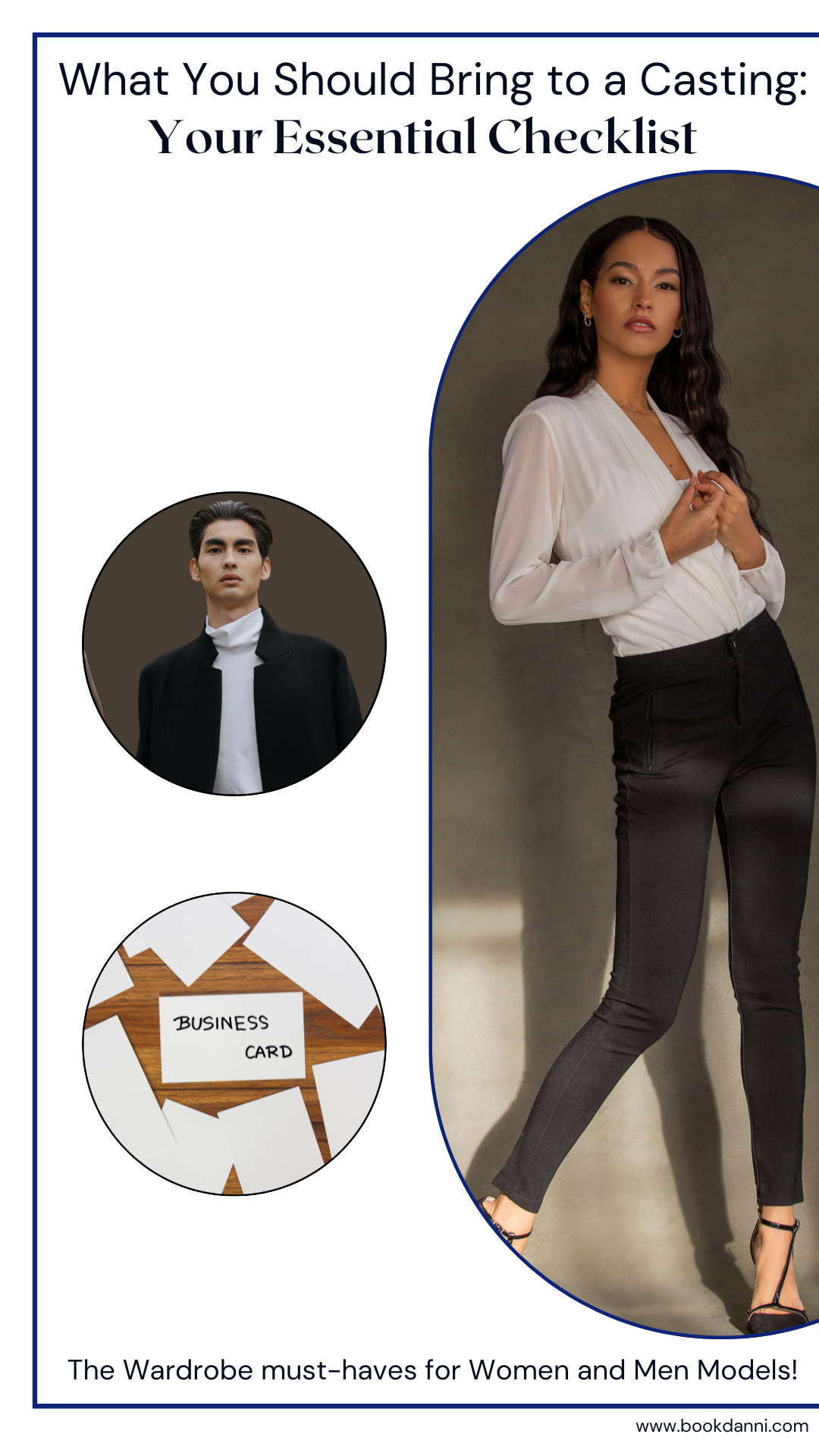

The world of modeling is a captivating yet enigmatic one, often shrouded in misconceptions and unanswered questions. Whether you’re an aspiring model or simply curious about the industry, you’ve likely pondered some of the most common queries surrounding this glamorous profession. In this blog post, we aim to demystify the modeling world by answering the most popular questions.