
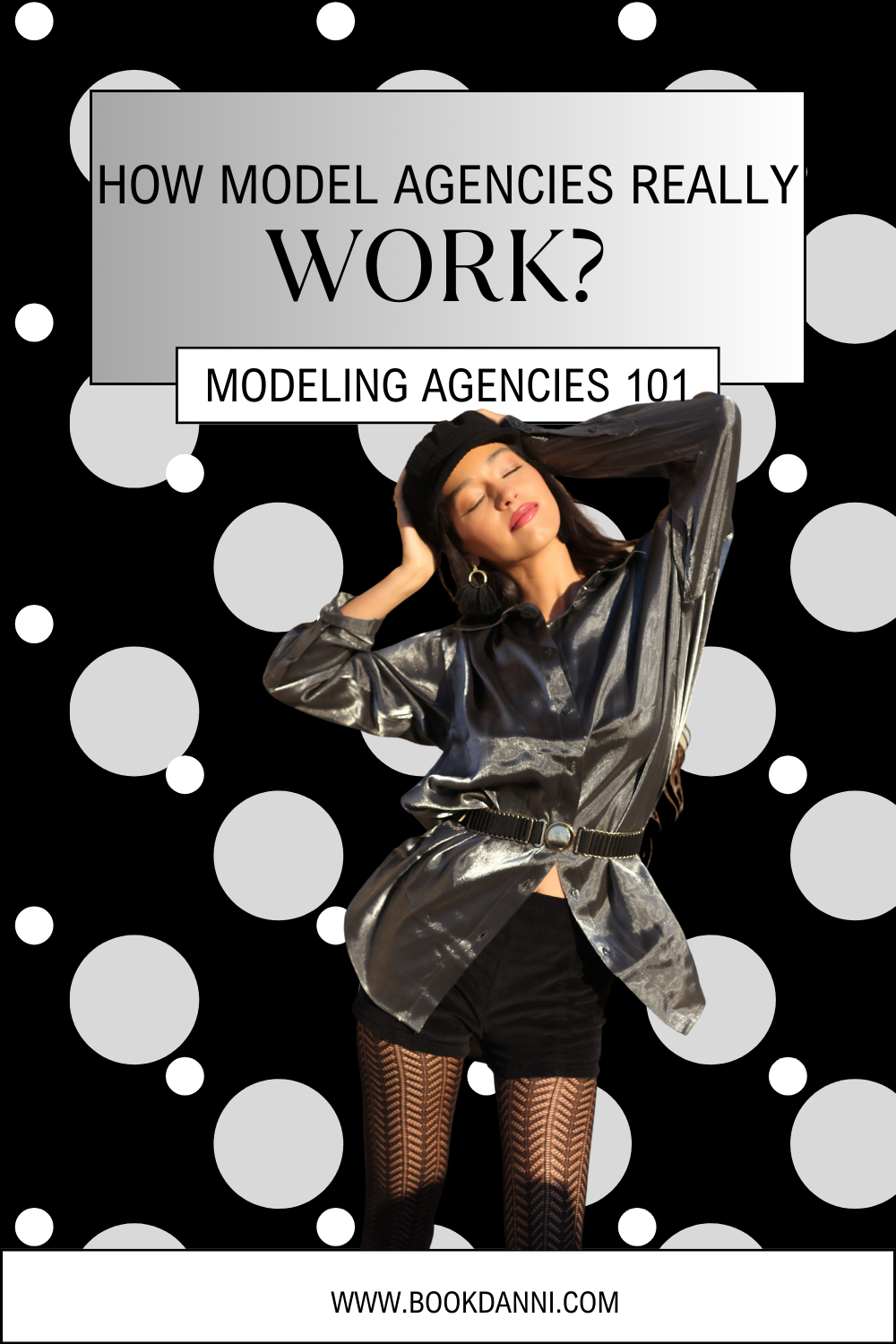
What is modeling?
Modeling refers to the practice of individuals (known as models) showcasing and displaying clothing, accessories, beauty products, or other consumer goods to promote and market them. It is a form of visual communication used in various industries, particularly in fashion, advertising, and entertainment. Modeling involves striking poses, walking on runways, or appearing in photographs, videos, and live presentations to highlight and promote products or concepts.
In the world of fashion, modeling takes center stage as models showcase clothing, accessories, and beauty products. They bring life and personality to the designs, enabling consumers to visualize how the items will look and feel when worn. Through their poses, expressions, and movements, models help create a narrative around the products, evoking emotions and aspirations that resonate with the target audience.
Beyond the realm of fashion, modeling extends its influence to diverse industries such as advertising and entertainment. In advertising, models lend their charisma and appeal to endorse a wide range of consumer goods, from cars and technology to food and beverages. A model’s presence in advertisements adds credibility and relatability, making the products more enticing and memorable to potential customers.
In the entertainment industry, models often take on roles in films, television shows, and music videos. A model’s striking appearances and ability to embody different characters or personas contribute to the storytelling process, enhancing the visual experience for viewers. Models bring a unique blend of physicality, expression, and presence to the screen, adding depth and intrigue to the narratives they participate in.
Modeling encompasses various mediums, including runway shows, photography, videos, and live presentations. Runway modeling involves strutting confidently down catwalks, showcasing the latest designer collections. It requires not only the ability to walk gracefully but also to embody the spirit and vision of the fashion designers, capturing the essence of their creations.
Photographic modeling involves posing for still images, capturing the attention of viewers through carefully crafted compositions, lighting, and styling. Models work closely with photographers and creative teams to bring the desired concept to life, using their body language, expressions, and versatility to convey messages effectively.
Video modeling encompasses a range of formats, from commercials and promotional videos to fashion films and music videos. Models collaborate with directors, choreographers, and stylists to create visually compelling narratives that captivate audiences. Their ability to adapt to different scenarios, follow directions, and convey emotions through movement and expression is instrumental in conveying the intended message.
Live presentations, such as fashion shows or product launches, offer models an opportunity to engage directly with audiences in real-time. They become the embodiment of the brand or product, interacting with spectators and creating an immersive experience. Models must exude confidence, charisma, and professionalism, captivating the attention of the audience and leaving a lasting impression.
In all its forms, modeling requires a combination of physical attributes, talent, and professionalism. Models must possess a strong understanding of their body, the ability to take direction, and the versatility to adapt to various styles and concepts. They must also have a keen sense of self-presentation, maintaining a polished image and embodying the values and aesthetics of the brand or project they are representing.
In essence, modeling is a captivating and influential practice that brings together fashion, advertising, and entertainment. It is a visual language that transcends barriers, capturing attention, stirring emotions, and inspiring consumer desire. Whether on the runway, in photographs, or through live presentations, models play a vital role in shaping the perception and success of products and concepts, leaving an indelible mark on the industries they contribute to.
How do these agencies work?
Modeling agencies operate by primarily generating their income through commissions. These commissions typically come from the contracts and agreements they facilitate between models and their respective clients or the head agency.
Here’s a breakdown of where their income comes from:
1. Model Representation Fees: Models pay fees to the agency for the services provided in representing them, connecting them with opportunities, and managing their careers.
2. Client Fees: Modeling agencies also receive fees from photographers, designers, and various clients who hire the agency’s models for various projects and campaigns.
3. Marketing Materials Sales: Another source of income for agencies is the sale of photographs and promotional materials that feature the agency’s models.
Now, you might be wondering, are modeling agencies free?
The answer is that they are not typically free. As mentioned earlier, models pay representation fees to the agency for their services. These fees are an essential part of the modeling industry’s financial structure.
Commission from Model’s Earnings: The primary source of income for modeling agencies is the commission they receive from the jobs and contracts they secure for their models. When a model gets booked for a project, the agency negotiates the terms and ensures the model is compensated appropriately. The agency then takes a percentage, usually ranging from 10% to 20% (sometimes more) of the model’s earnings as their commission.
Money from Model Moolah: Picture this – when a model scores a gig through their agency, the agency gets a slice of the glamorous pie. It’s like a stylish partnership! They usually snag around 10% to 20% (or maybe even more) of what the model earns. Cha-ching!
Fees from Fancy Clients: Think of modeling agencies as matchmakers between models and clients. When they bring the perfect pair together, they collect a matchmaking fee. This means clients pay a bit extra for the privilege of working with these top-notch models. Money in the bank!
Picture-Perfect Profits: Ever seen those stunning model photos and portfolios? Well, agencies often snap those pics and sell them to clients, brands, and even curious admirers. So, every time a picture is worth a thousand words, it’s also worth some cash!
Model Marvel Fees: Models pay the agency for their fantastic representation, guidance, and access to exclusive opportunities. It’s like joining a VIP club of the modeling world, and that club comes with a fee.
Strike a Pose and Pay: Some agencies offer modeling classes and development programs to help models become runway-ready. These programs might require a fee, but hey, you can’t put a price on becoming a fabulous fashion icon!
Exclusive Earnings: Some lucky models might sign exclusive contracts with their agencies, which means they can only work through that agency. The agency might get a bigger cut of the earnings in return for that exclusivity.
Party Planning Profits: Agencies often throw epic events, fashion shows, and dazzling campaigns featuring their models. They don’t just create a buzz; they also cash in on the excitement.
Finally, if you’re eager to find modeling agencies near you, here are some steps you can take:
1. Online Research: Begin your search by using online resources like search engines and social media platforms. Look for modeling agencies in your area or the nearest major city.
2. Networking: Connect with fellow models, photographers, makeup artists, and other industry professionals in your local modeling community. They can provide valuable insights and recommendations.
3. Modeling Associations: Consider reaching out to modeling associations or organizations in your region, as they often have directories of reputable agencies.
4. Attend Open Calls and Casting Calls: Keep an eye out for open calls or casting calls hosted by modeling agencies. This is an excellent opportunity to meet agency representatives in person and showcase your potential.
Remember that finding the right modeling agency may take time and research, but it’s an important step toward advancing your modeling career. Good Luck!
I hope this post serves you well on your journey as a model. If this post helps you or you have any questions, feel free to write below to help current or future models.

Featured


The world of modeling is a captivating yet enigmatic one, often shrouded in misconceptions and unanswered questions. Whether you’re an aspiring model or simply curious about the industry, you’ve likely pondered some of the most common queries surrounding this glamorous profession. In this blog post, we aim to demystify the modeling world by answering the most popular questions.